


IdleOn - The Incremental MMO
4.425.77K Reviews
App Specs
- Version
- 2.526.0
- Updated On
- License
- Free
- Downloads
- 5,000,000+
- Developer
- LavaFlame2
- Categories
- Role Playing
- Platform
- Android
Screenshots

 Analysis by AppCompare
I find IdleOn - The Idle RPG easiest to enjoy when I treat it as a shared household world rather than a game everyone needs to play at once. One person can check in, make a few choices, and leave characters progressing; someone else can take a turn later. That rhythm is appealing on busy days, though it also makes clear boundaries around a shared device important.
Taking turns without taking over
The game’s central appeal is that it lets you build a roster instead of relying on a single hero. That makes it tempting to pass a phone or tablet around and let each person make a decision. I’d agree on whose turn it is before opening the game, especially if several people are sharing one device. Even small choices about which character to improve can shape what you focus on next, so a quick handoff works better when everyone knows what has already been changed.
A practical routine is to keep play sessions short and purposeful: check progress, decide what needs attention, then leave the game for the next person or for later. This suits households where gaming time comes in scattered pockets. It is less suited to a group expecting a simultaneous multiplayer session, because its strength is managing ongoing character progress, not making every player act together in the same moment.
One device, one set of boundaries
If several people use the same device, I’d treat the game’s active session as belonging to the person who is currently playing. Before handing it over, make sure the next person understands whether they are simply checking progress or changing the roster’s plans. That basic agreement can prevent the familiar shared-device problem of someone else making an innocent change that the original player then has to untangle.
I also wouldn’t assume that a common screen makes this a shared account or a family-managed game. The useful question is whether each person is comfortable with the same game state being handled by others. If not, keep play limited to one person, or choose a game whose separate-player setup better matches the household’s expectations. Clear account boundaries matter more here than trying to turn a solo management loop into a group activity.
Coordination through character roles
When more than one person is involved, the roster offers a natural way to divide attention: one player can focus on deciding what to upgrade, while another can review what resources or tasks seem worth prioritizing. I would still make one person responsible for the final choices. Multiple characters create strategic options, but several people changing plans independently can make it harder to remember why a character was assigned a particular role.
For a low-friction handoff, leave a simple verbal note: which character you were focusing on, what you intended to do next, and whether you were just checking in. That is not a game feature; it is a household habit that helps keep shared play pleasant. It also makes the game more approachable for a newcomer, who can observe how the roster works before taking on its more involved decisions.
Worth Reading Before You Choose

EA SPORTS FC Mobile 26 Is a Bigger Football Game, but It Takes Time

Flipboard Shows What News Apps Must Do Beyond the Feed

Switching to Android Auto Means Rethinking Your Driving Routine

Google Calendar Makes a Crowded Week Easier to Manage

Ludo King Makes the Most of the Minutes Between Plans

Baby Panda World Brings Quick Play to Modern Phones, but Its Game Library Feels Busy
Age, spending, and trust
The game is rated Everyone 10+, which is useful context for deciding whether it suits a younger player, but I’d still make the call based on the individual child and your household’s rules. Its playful presentation may look simple, while managing several characters asks for patience and planning. I’d show a new player how the game works and agree on expectations before leaving them to make purchases or longer-term decisions.
It is free to start, with in-app purchases ranging from $1.99 to $64.99 per item. I wouldn’t treat “free” as meaning that every optional purchase is irrelevant, particularly on a device used by children. Set the same purchase boundaries you use for other mobile games, and talk through what spending means before anyone taps a purchase prompt. That keeps the decision with the household rather than relying on a child to guess what is acceptable.
Who will enjoy this slower rhythm
I’d recommend it to someone who likes building up a cast of characters and enjoys making small progress between other activities. It can fit a commute break, a quiet moment after school, or a short pause while waiting for dinner: check what has happened, choose a next step, and put the device away. The useful part is that the game does not ask every session to become a long, uninterrupted play period.
By contrast, I’d steer away from it if you want a tightly paced RPG where the main pleasure is following one hero through a continuous sequence of story scenes, or if you prefer quick rounds with a clear end. Idle progression trades some moment-to-moment control for the satisfaction of returning to a developing roster. That exchange is the point, but it will not appeal to everyone.
How it differs from a typical RPG
Compared with a conventional role-playing game built around active battles and a single character’s journey, this one puts more emphasis on maintaining a growing group and making decisions across check-ins. Compared with simpler idle games, the character-management side gives me more to think about than merely collecting a reward and closing the app. That middle ground is its strongest distinction: it has more planning than a bare-bones idle loop, but it does not demand the same continuous attention as an action-focused RPG.
The trade-off is that a large roster can make priorities feel diffuse. If you enjoy choosing who should develop and how to use the resources available, that breadth is a draw. If you find menus, incremental decisions, or long-term upkeep tiring, the same design can feel like a list of chores. I suggest giving the early sessions time to show whether you enjoy the management loop, rather than judging it only by the first battle.
Getting Started: A World of Possibilities
When you first dive into IdleOn - The Idle RPG, you’re greeted with a colorful, whimsical world that’s just begging to be explored. The game starts you off with a single character, but what’s really cool is that you can eventually manage a whole team. This aspect adds an extra layer of strategy as you decide who to upgrade and how to balance your team’s skills.
The tutorial is pretty straightforward, guiding you through the basics without overwhelming you with information. It’s like having a friendly guide showing you the ropes. Before you know it, you’re off on your own, battling monsters and completing quests.
Gameplay Mechanics: More Than Just Idle
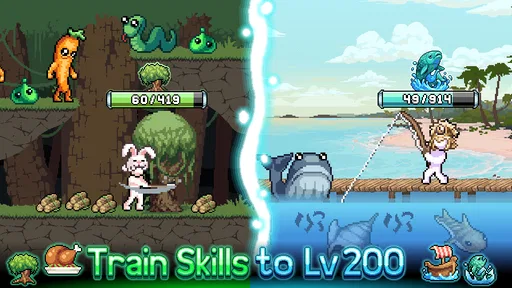
One of the standout features of this game is its multi-character system. You’re not just stuck with one hero; you can eventually unlock and manage multiple characters, each with unique abilities and roles. This means while one character is out gathering resources, another might be battling monsters, and yet another might be crafting items.
The idle aspect means your characters keep working even when you’re not actively playing. It’s a fantastic feature for those of us who can’t always dedicate large chunks of time to gaming but still want to make progress. Plus, the game cleverly balances the active and idle elements, ensuring you’re always engaged without feeling overwhelmed.
Graphics and Sound: A Visual Delight
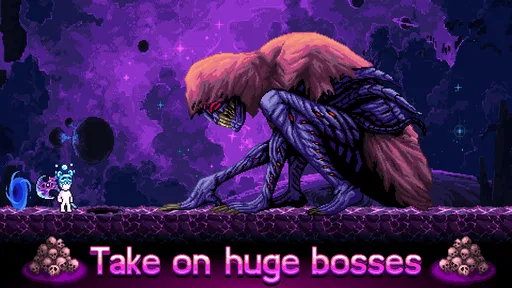
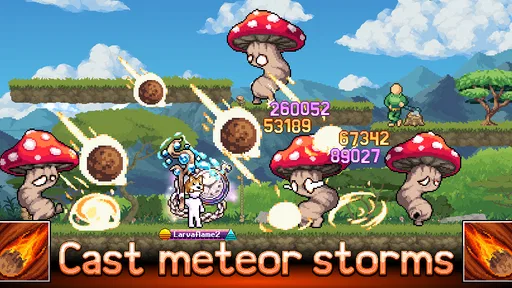
The graphics in IdleOn - The Idle RPG are charming and vibrant. They have this cute, pixel-art style that’s both nostalgic and fresh. Each area you explore has its own unique look and feel, which keeps things interesting as you progress.
The sound design complements the visuals perfectly. The background music is catchy without being annoying, and the sound effects add a nice touch to the overall experience. Whether it’s the clang of swords or the cheerful chime when you level up, it all adds to the immersion.
Community and Events: Always Something New
One thing I really appreciate about this game is its active community. There are regular events and updates that keep the game feeling fresh. Plus, the developers seem genuinely engaged with players, often incorporating feedback into future updates.
There’s also a sense of camaraderie among players. Whether you’re teaming up to tackle tougher challenges or just chatting about strategies, the community aspect adds a fun social dimension to the game.
Monetization: Fair and Friendly
In terms of monetization, IdleOn - The Idle RPG does a pretty good job. Sure, there are in-game purchases available, but it doesn’t feel like you’re being forced to spend money to enjoy the game. You can definitely make progress without spending a dime, which is always a plus in my book.
The optional purchases are more about convenience and cosmetics, so if you decide to spend a little, it’s more about enhancing your experience rather than making it playable.
Final Thoughts: A Must-Try for RPG and Idle Fans
Overall, IdleOn - The Idle RPG is a delightful mix of idle gaming and RPG elements. It’s perfect for those who enjoy managing multiple characters and strategizing on the go. The game strikes a nice balance between being engaging and laid-back, making it a great choice for both casual players and those who love a bit of depth.
If you’re curious, I’d definitely recommend giving it a shot. Whether you have a few minutes or a few hours, there’s always something fun to do in this vibrant world. And who knows? You might just find yourself hooked, just like I did!
A few practical details before you begin
LavaFlame2 developed this role-playing game, which was released on November 9, 2020. The current version is 2.493.0, and it requires Android 6.0 or later. It is free to play, with optional purchases priced from $1.99 to $64.99 per item. I’d check that the device meets the system requirement before installing, especially if you are setting it up on an older household phone or tablet.
The game has a 4.5 average from around 163,000 ratings, and it has been installed over a million times. Those figures suggest that it has found a substantial audience, but they cannot tell you whether its particular pace suits you. I’d use the first sessions to decide whether you enjoy balancing character development and occasional active play, rather than treating popularity as a substitute for fit.
Make each check-in count
A small habit makes the idle structure easier to manage: decide what you want from a session before opening the game. If you only have a moment, check progress and make one clear adjustment. If you have longer, use that time to explore, complete quests, or think through how the characters complement one another. This keeps a quick check from turning into aimless tapping, and it makes the game’s longer-term decisions easier to follow.
I would also avoid trying to optimize every character immediately. The roster is part of the appeal, but attending to everyone with equal intensity can turn a relaxed game into a chore. Pick one or two priorities, notice what resources those plans need, and let other characters continue their work in the background. That approach makes the team feel coordinated without demanding that you remember every detail at once.
What to expect from the learning curve
The opening tutorial helps with the basic rhythm, but the deeper appeal comes from gradually understanding how the characters, resources, and choices fit together. I would not expect to master the whole management side in one sitting. If a new player finds the number of decisions confusing, focus on the immediate task in front of them and return to broader planning after they are comfortable with the controls and routine.
That gradual learning can be satisfying for curious players, but it is a genuine barrier for people who want every system explained quickly and plainly. The game is most rewarding when you enjoy experimenting and seeing how a decision affects later progress. If you want a straightforward story with little upkeep between chapters, a more linear RPG is likely a better match.
Choosing it for a household
For a household, I see this as a good fit when one person is the main player and others are interested in watching, asking questions, or taking occasional agreed turns. Its asynchronous pace makes it easier to fit around different schedules than a game that needs everyone online together. Still, I would not use a shared device casually if people expect separate progress or privacy; agree on who is playing and what kinds of changes are okay.
My household verdict is that it works best as a personal hobby that can be shared socially, not as a substitute for a dedicated cooperative game. The idle rhythm, roster decisions, and cheerful presentation give it a distinctive place among mobile RPGs. If you enjoy checking in on a world you are steadily shaping, it is an easy recommendation; if you need a fast, fully shared session or a tightly authored campaign, I’d choose something designed around that instead.
Pros
- Engaging idle gameplay mechanics.
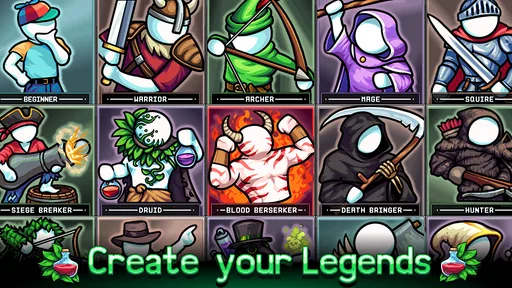
- Multiple character classes to choose from.
- Frequent updates with new content.
- Cross-platform support for PC and mobile.
- Vibrant and humorous art style.
Cons
- In-app purchases can be pricey.
- Some bugs affect gameplay experience.
- Requires consistent internet connection.
- Complex mechanics might overwhelm newbies.
- Ads can be intrusive at times.
FAQs for IdleOn - The Incremental MMO
What is the main gameplay concept of IdleOn - The Idle RPG?
IdleOn - The Idle RPG is an idle game that allows players to manage multiple characters simultaneously. The core concept revolves around automation, where characters continue to gather resources, gain experience, and complete quests even when you're offline. This provides a unique twist to traditional RPGs by combining idle mechanics with multiplayer elements.
Can I play IdleOn - The Idle RPG offline?
Yes, IdleOn - The Idle RPG can be played offline. The game is designed to continue progressing even when you're not actively playing. Once you reconnect, you'll see the resources and experience your characters have accumulated during your absence, making it ideal for busy players who enjoy incremental progress.
Does IdleOn - The Idle RPG have multiplayer features?
Indeed, IdleOn includes multiplayer features, allowing you to interact with other players. You can join guilds, team up for challenges, and participate in global events. This social component adds depth and interaction beyond the solo gameplay, enhancing the overall experience by fostering a sense of community.
Are there in-app purchases in IdleOn - The Idle RPG?
Yes, IdleOn offers in-app purchases. While the game is free to play, players can buy optional items and upgrades to enhance their gameplay experience. These purchases can expedite progress, but they are not necessary to enjoy the full game, as all features are accessible through regular play.
What should I know about the character classes in IdleOn - The Idle RPG?
IdleOn features a variety of character classes, each with unique abilities and skills. As you progress, you can unlock and switch between different classes, tailoring your team to suit various challenges. Experimenting with class combinations is crucial for optimizing your strategy and maximizing your idle gains.


